Medical school interview practice: where students meet medicine
One-to-one medical school interview preparation in Cyprus — online or in person in Nicosia, Limassol and Larnaca — for final-year secondary school students. Expert coaching from a senior cardiologist who has spent two decades in the NHS and fifteen years mentoring future doctors.

Experience you can trust
Behind every session is a career built in clinical medicine, medical education, and examiner insight.
20 years in the NHS
A career as a practising cardiologist in the UK National Health Service.
Clinical Assistant Professor
Currently teaching at the University of Nicosia Medical School in Cyprus.
15 years of mentoring
Guiding medical school applicants through every stage of the interview process.
Award-winning teaching
Recognised for teaching at Imperial College London and King's College London.
What to expect
Practical, focused preparation that mirrors the real medical school interview.
One-to-one interview practice
Personalised mock interviews tailored to the medical schools you are applying to, with detailed, actionable feedback.
MMI & panel preparation
Training for both traditional panel interviews and multiple mini interviews (MMI), including structure and communication skills.
Ethics & scenario coaching
Work through medical ethics, empathy scenarios and current NHS topics so you can respond with clarity and confidence.
PACES & OSCE examiner insight
Benefit from the perspective of an examiner who has led mock PACES examinations and OSCEs at King's College London.
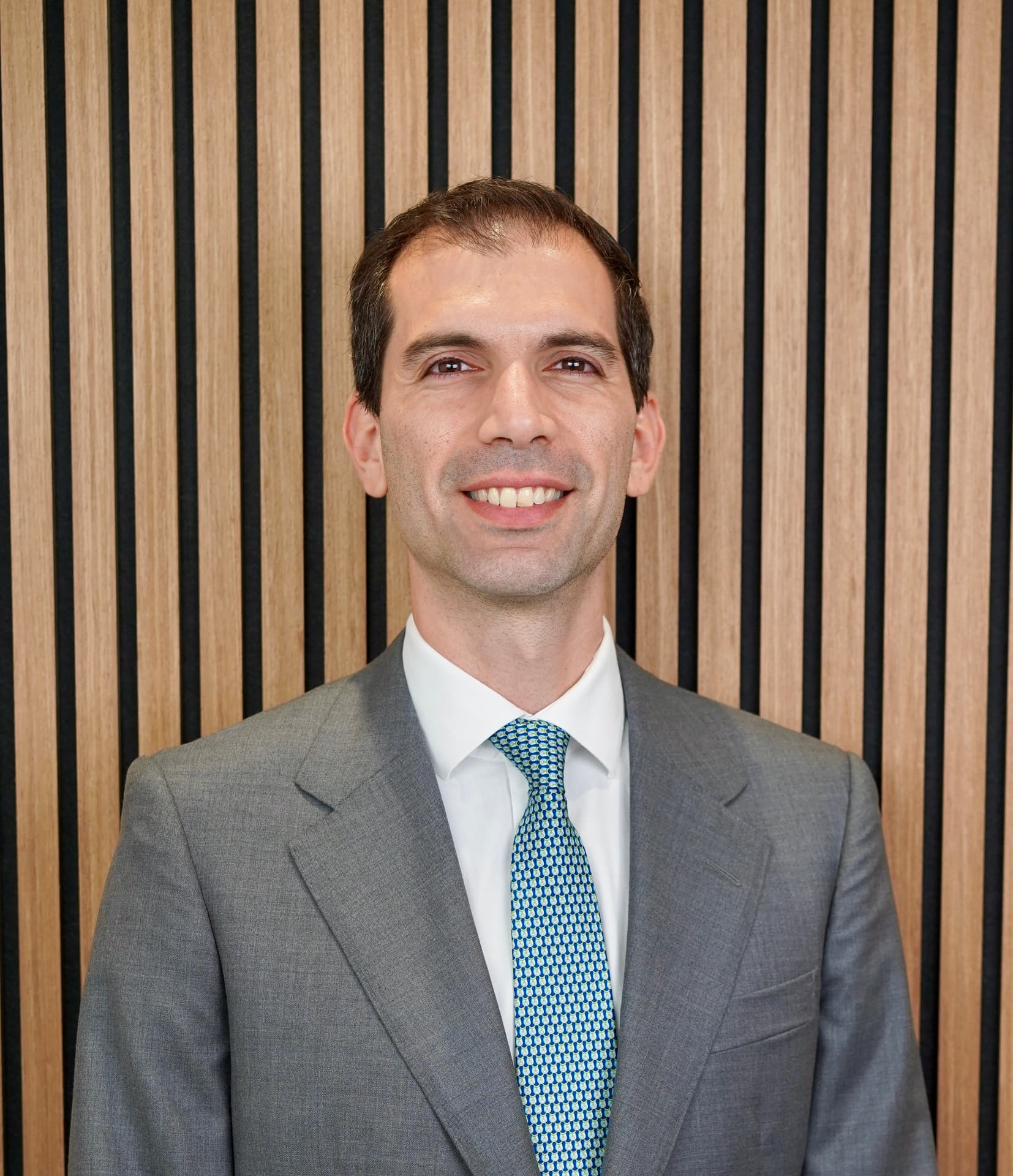
Dr Savvas HadjiphilippouBSc, MBBS, PGCert Med Ed, MRCP, CCT (London)
An examiner's perspective
Having organised and led mock PACES examinations, and having served as an OSCE examiner at King's College London Medical School, I know what assessors are looking for beyond the right answer. Poise, clarity, empathy, and structure matter just as much as knowledge.
My postgraduate certificate in medical education, combined with teaching recognition at both Imperial College London and King's College London, means every session is built on sound educational practice.
Empathy and communication
Learn how to convey compassion, professionalism, and patient-centred thinking under pressure.
Structured answers
Build a framework for ethical, clinical, and personal questions so you never run out of things to say.
Flexible sessions
Book practice sessions that fit around your school schedule and application deadlines.
From past applicants
"The mock interviews were the closest thing to the real day I could have imagined. I went in calm, prepared, and got my first-choice offer."
Specialty training applicant
2024
"I had no idea how to structure my answers. The feedback was honest, kind, and immediately useful. It changed the way I spoke in interviews."
Medical school applicant
2023
"Having an examiner's perspective made all the difference. I knew exactly what stations were testing and how to approach them."
Specialty training applicant
2025
10 classic medicine interview questions
The questions below come up again and again in panel interviews and MMI stations. Use the pointers to shape your own answer — assessors want to hear your reasoning, not a rehearsed script.
- 1
Why do you want to study medicine?
Avoid clichés like 'I want to help people'. Anchor your answer in a real experience — work shadowing, caring for a relative, volunteering — and explain what that experience taught you about what doctors actually do. Show you understand the demands of the career, not just the appeal.
- 2
Why this medical school?
Show you have researched the school: its curriculum style, early patient contact, research opportunities or community focus. Then connect those features to how you learn best. Specificity signals genuine interest; generic praise signals a mass application.
- 3
Tell me about yourself.
This is a warmup, not a life story. Give a focused two-minute summary: where you are in your studies, two or three experiences that led you to medicine, and what you hope to explore at medical school. Practise it until it sounds natural, not memorised.
- 4
What did you learn from your work experience or volunteering?
One well-reflected experience beats a long list. Describe a specific moment, what you observed, and how it changed your understanding of medicine — for example, how a team communicated, or what patient care looks like day to day. Reflection is what examiners score.
- 5
How would you handle an ethical dilemma, such as a patient refusing treatment?
Use a simple framework: identify the issue, consider the patient's autonomy, weigh up the benefits and harms, and mention confidentiality and the duty to act in the patient's best interests. Acknowledge both sides before concluding — there is rarely one perfect answer.
- 6
How would you break bad news to a patient?
Demonstrate empathy first, information second. Talk about privacy, checking what the patient already understands, speaking honestly in plain language, allowing silence, and offering support and follow-up. Assessors are testing compassion and communication, not clinical knowledge.
- 7
What are your strengths and weaknesses?
For strengths, name one or two and evidence each with a short example. For weaknesses, choose something real but manageable, and — crucially — explain the steps you are taking to improve. Self-awareness and a growth mindset score far higher than false modesty.
- 8
Tell me about a time you worked in a team or showed leadership.
Structure it clearly: the situation, your role, what you did, and the outcome. Emphasise listening, delegation and resolving disagreements rather than taking all the credit. Medicine is a team profession, and interviewers look for team players.
- 9
What do you think is the biggest challenge facing healthcare today?
Pick one current topic — workforce shortages, waiting lists, health inequalities, AI in medicine — and show a balanced view: why it matters, who it affects, and what might help. You are not expected to solve it; you are expected to show you follow the world you are entering.
- 10
Medicine is stressful. How do you cope under pressure?
Give concrete examples of how you manage stress now — sport, music, time management, talking to others — and a time you stayed composed when things went wrong. Avoid claiming you never feel stressed; resilience means recognising pressure and handling it constructively.
Frequently asked questions
Practical details about medical school interview preparation in Cyprus.
- Where do the interview practice sessions take place?
- Sessions are held online, and in person in Nicosia, Limassol and Larnaca in Cyprus. Students based outside Cyprus are welcome to book online sessions.
- Who is this medical interview preparation for?
- Final-year secondary school students in Cyprus and abroad who are applying to study medicine.
- Which interview formats do you cover?
- Traditional panel interviews and multiple mini interviews (MMI), including ethics stations, empathy and communication scenarios, and current NHS topics.
- What language are the sessions conducted in?
- All interview preparation, mock stations and feedback are delivered in English, because UK and international medical school admissions require fluency in professional clinical English.
- Who runs the sessions?
- Dr Savvas Hadjiphilippou, a cardiologist with 20 years in the NHS, now Clinical Assistant Professor at the University of Nicosia Medical School, and a former OSCE examiner at King's College London Medical School.
- How do I book a session?
- Email info@drsavvas.com to arrange a free 15-minute introductory call and agree a preparation plan that fits your application timeline.
Ready for your interview?
Places are limited during application season. Book a free 15-minute call to discuss your goals, and we'll build a preparation plan that fits your timeline.
Dr Savvas Hadjiphilippou · Sessions available online or in person (Nicosia & Limassol & Larnaca, Cyprus).